Optimize Your Rig with a Truck Accessory Load Planner
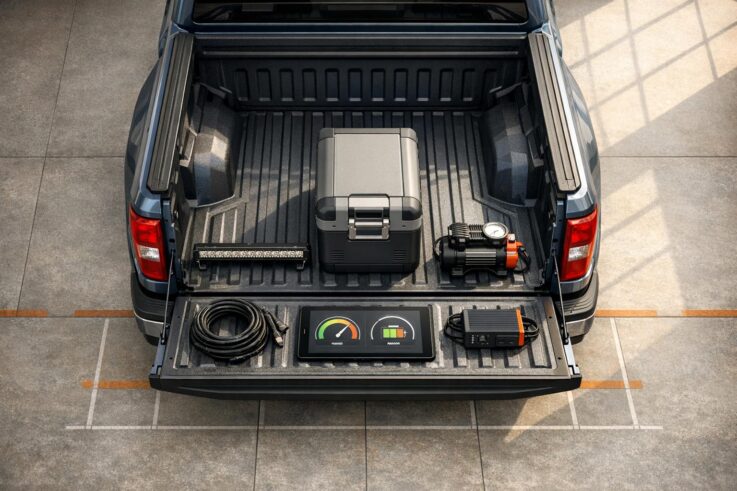
Planning to deck out your truck with new gear? Customizing your vehicle with racks, toolboxes, or high-powered lights can transform its functionality, but overloading or overtaxing the electrical system is a real risk. That’s where a smart planning tool comes in handy. It helps truck owners map out their installations by balancing weight limits and energy needs, ensuring everything runs smoothly whether you’re hauling for work or adventure.
Why Planning Matters for Truck Setups
Every truck has its limits based on bed size and power capacity. A misstep in weight distribution can strain your suspension, while excessive power draw might leave you stranded with a dead battery. By inputting details like bed length and accessory specs, you can spot potential issues before they become costly problems. This approach isn’t just about safety—it’s about getting the most out of your vehicle without unnecessary wear and tear. So, next time you’re eyeing a new setup, take a minute to crunch the numbers. A little foresight can save you a lot of headaches down the road.
FAQs
How does bed length affect my truck’s load capacity?
Bed length plays a big role in how much weight your truck can handle. A short bed typically supports up to 1000 lbs, a standard bed can take 2000 lbs, and a long bed handles up to 3000 lbs. This tool uses those benchmarks to check if your accessory weight is within safe limits. If you’re close to the max, consider spreading the load or upgrading your suspension for extra support.
Why does power draw matter for accessories?
Power draw is crucial because your truck’s electrical system has limits—usually around 1500 watts as a baseline. If your accessories, like lights or winches, pull more than that, you risk draining the battery or frying circuits. This planner flags if your setup exceeds that threshold so you can swap gear or add a secondary power source before hitting the road.
Absolutely, though it’s a starting point. This planner uses standard limits for bed length and power capacity to give you a clear safety check. For heavy-duty or custom rigs, I’d recommend double-checking with your truck’s manual or a mechanic since factors like axle ratings or aftermarket mods can shift the numbers. Use this as your first step to narrow down a solid plan!