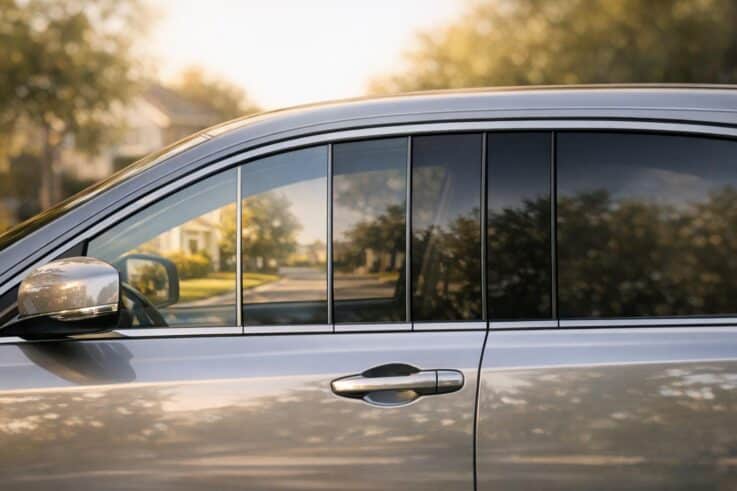
Choosing the Right Window Tint for Your Vehicle
When it comes to upgrading your car, few things balance style and function like window tinting. But finding the perfect shade isn’t just about looks—it’s about staying legal and meeting your comfort needs. That’s where a reliable window tint darkness selector comes in handy. Whether you’re driving a compact car in California or an SUV in Texas, navigating state-specific regulations can feel like a maze. Each state sets its own limits on how dark your windows can be, often measured as a percentage of light that passes through, and getting it wrong could mean fines or failed inspections.
Why Tint Laws Matter
Beyond avoiding tickets, the right tint level keeps you safe by ensuring visibility while cutting glare and heat. For instance, truck owners might want a bit more privacy in the back for gear, while families in SUVs often prioritize a balance. A tool that factors in your vehicle type, local rules, and personal taste can save hours of research. So next time you’re considering a window shading solution, start with a quick check of what’s allowed in your area and what suits your ride. It’s the smartest way to roll in style without the hassle.
FAQs
How do I know if a tint percentage is legal in my state?
Every state has different rules for window tint darkness, usually measured as a percentage of light allowed through (Visible Light Transmission or VLT). Our tool pulls from a database of common state laws—like California’s 70% for front windows and 30% for rear—to give you a starting point. For instance, if you’re in Texas, it’s stricter at 25% for both. If your area isn’t listed, we use a generic 50% as a safe bet. Always double-check with your local DMV or a tint professional, though, since laws can change or have exceptions for medical reasons.
Does vehicle type really affect tint recommendations?
Yep, it does! Different vehicles have different needs and sometimes even different legal allowances. Our tool adjusts rear window tint slightly based on your ride—Trucks get a 5% darker rear tint allowance, and SUVs get 10% darker compared to cars. This reflects practical use, like needing more privacy for cargo areas in larger vehicles, while still respecting the legal front window limits of your state. It’s a small tweak, but it helps match real-world usage.
Our tool lets you nudge the tint darkness with your visibility preference—High Visibility lightens it by 10%, Balanced keeps it neutral, and Maximum Privacy darkens it by 10%. But here’s the catch: we won’t let it go beyond your state’s legal limit. Safety and compliance come first, so if you’re pushing for a super dark tint in a strict state like California, the tool caps it at the legal max. If you’re set on something darker, you might need a medical exemption or to chat with a local installer about options.